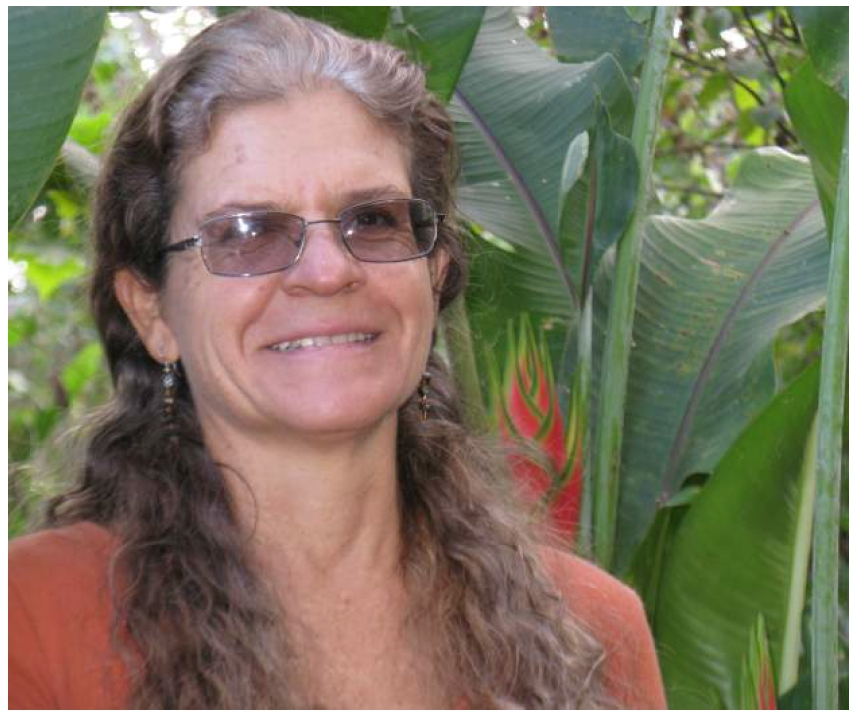
Paulina Chaverri
Costa Rica
Paulina is a founding member of the Costa Rica permaculture network: Red Permanezca Network.
She is an experienced practitioner, teacher and organiser, working on community-based environmental protection,
participatory planning and climate change.
“The IPCUK made a difference in different ways. The event was an illustration of how to bring together people to design –and strengthen- our best possible future. It provided time to refresh and learn techniques –such as to how to dis-ensemble and reuse wood from a pallet- or methodologies such as creating large, or massive! group brainstorming and capturing the best of the collective dialogues. People were eager to show how to weave permaculture into their living ethics, such as the Quaker permaculturists. I felt pleased to find commonalities with people from tropical countries such as India, and learn how their methodologies to strengthen food sovereignty through saving seeds, help prevent the genetic erosion of diversity. Meeting a wealth of people with consistent practices, helps me stick with ethics and do my best effort, everyday. More of how it has it been done there, makes it easier to visualize how could it be done here. In places with greater need for transforming practices –such as refusing plastic bags at grocery shops or preferring healthy local produce. I feel now more rewarding to focus in what is possible to change, versus absorbing helplessness or pessimism. IPC participants and organizers provided access to rich sources of information. After the event, I devoted fair amount of time studying collected and further references, renewing and organizing my own thinking, and strategically find ways to best support the movement local and regionally.”
“Getting together with the Latin American permaculturists strengthened connections as we revisited our common goals keeping in light the 15th IPC 2020 in Argentina. Most of us are now better connected, lining up the regional scheduling of convergences. The challenges are yet finding ways to bring together more resources and community. How could we pull out from the very soul of our people innate permaculture thinking, practice and ethics? How could we learn more from our own land and its vastness? While I visualize my country Costa Rica tapping into the wealth of resources and knowledge both from within and around, at the intersection of both subcontinents, our perma-teachers continue spreading urban organic home gardens, hands-on workshops on bio filters, composting techniques, and solar roof top water heaters. This year I am helping our team set up of our one hundred percent Spanish language PDC course, by and for native Costa Ricans, with diplomats and assistant teachers from our Permanezca network.”
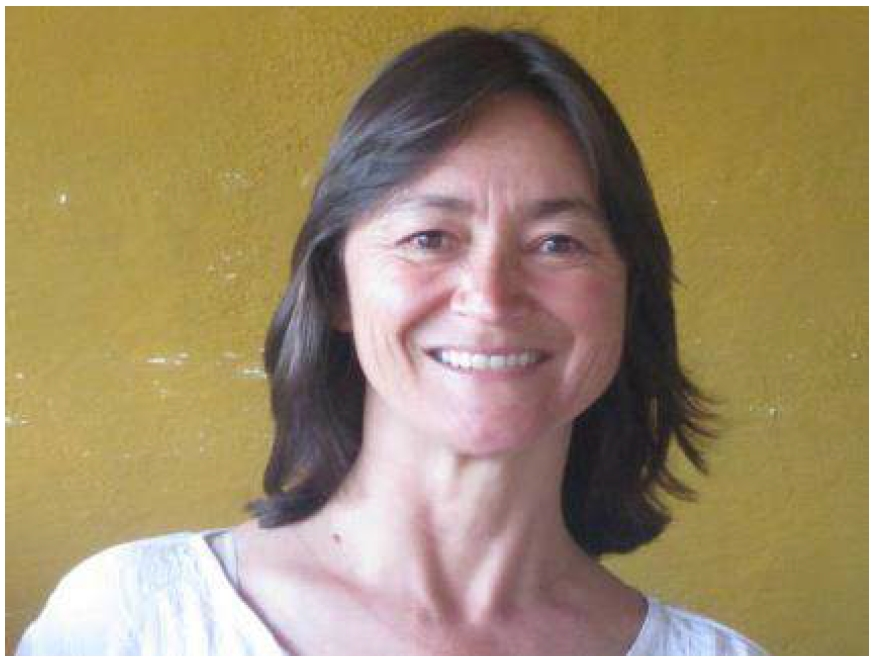
Beatriz Arjona
Colombia
Beatriz has many roles in the Latin American and Global permaculture worlds! As teacher, organiser, practitioner and “Ecovillage Grand-Mama”, she is a real catalyst for change.
“IPC allowed myself to be more conected with permies all over the world, to open mind, open heart, open to new action. Great experiencies and important new permie friends all over the world. I received new input about organization of permaculture gatherings to consider in the permaculture gatherings I coorganise at Colombian level, Latin-American level and the IPC in 2020 in Argentina; here I will be part of the organiser team with Argentina people and other Latin-American permies.”
Miembro de la Cocina de CASA Colombia -Consejo de Asentamientos Sustentables de LatinoAmérica- Capítulo Colombia
Miembro de Consejo de CASA Latinoamérica
VicePresidenta de GEN – Global Ecovillage Network
Directora Change the World Colombia
www.world-changers.org
www.cambiaelmundo.org
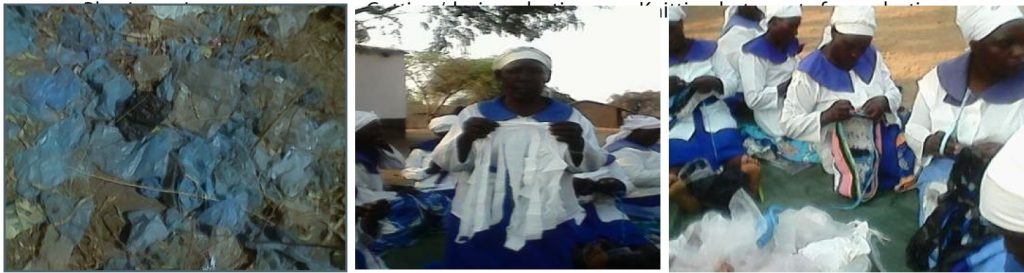
Rev Fr Eston and Joyce Pembamoyo
Malawi
Truly my wife and I had a wonderful time and consider ourselves privileged to be part of this international forum. We had opportunities to share and get more from the world of Permaculture. We enjoyed to see and talk to David Holmgren on Skype. We would like to share to the world that truly Climate Change is REAL, it is both a socioeconomic and theological problem. We are very sure that all the problems we see in the world today are caused by human beings and can be dealt with by human sustainable action. The generation today is perhaps highly advanced in technology but it is probably one of the foolish generations ever been on the planet. It knows things that can terminate its existence but, although it has the solutions in hands, it is very slow to
act. My wife and I were impressed with the presentation made at Euston [the conference] concerning the history of the earth formation. Human existence on planet as compared to the earth’s in terms of time of existence—4b years earth to 0.00004b years human for example; is shocking when we compared the amount of damage made by humans so far.
But it is never too late if we all planted more fruit trees—because like lactating mothers fruit trees sack a lot of carbon-dioxide and any fast growing nitrogen fixing trees such as Mulinga. Here in Malawi thus what we are preaching and practicing. I paste pictures below of before and after for you share. We can reverse the conditions and we can change them quickly if we only acted faster and correctly.”
PCUK12. We can share and strengthen one another through these networks. IPCUK has given us a sense of togetherness, we know better
now that there are many as mad and as dirty as some call us all over world. When we returned home, the six of us who attended the IPCUK from Malawi organised a meeting to brief others in Lilongwe in the centre and to map up the way forward. We resolved to strengthen Permaculture through the formation of 6 permaculture hubs which will strengthen the Permaculture Network in Malawi (PNM). The Mangochi/Eastern Region Hub has ever since met and had its first convergence from 17th to 21st February 2016 at Tanthwe June Walker’s place in Monkey Bay. My wife Joyce continues with her Mothers Union Project in Recycling. They make baskets, doormats, hats and table mats from plastic bags littered around in most of our market areas and trading centre.”
“Finally, my wife and I would like to thank the Permaculture Association in Britain for supporting us to attend the IPCUK. Pass our gratitude to all who support the Association enabling it to give us scholarships. We say THANK you to them all.”
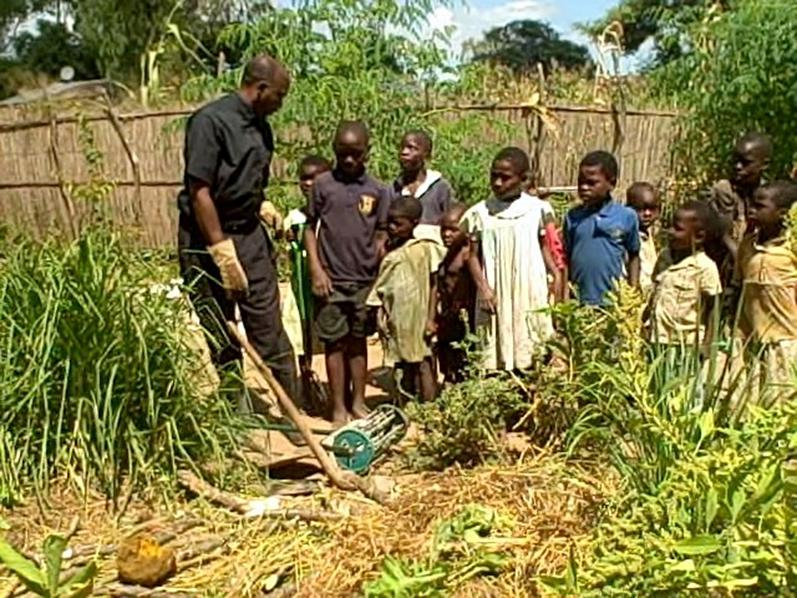
IPCUK, was very important for me and my wife, our participation strengthened our zeal for bringing Permaculture to children not only in Sunday schools and Mosques, rather in primary schools an Nursery schools. See my pictures with children.
Climate Change is a reality, it is caused by human action and can probably be ended by human action. There used to be forests covering all the uplands down to the shores of Lake Malawi on both the East and Western parts of the lake.
Towards the beginning of the millennium, many people flocked into both areas and soon the fish catch in the lake dwindled. Some fish mongers decided to open crop fields and others engaged in charcoal production in forests.
About five years into the millennium, a conflict between people who cultivated and burned charcoal in the forests and the elephants, monkeys and baboons intensified. Some people were killed as the number of game in the Lake Malawi National Park dwindled too.
In 2011 the Malawi Government was forced to relocate about 100 remnant elephants to Majete Game Reserve. Soon after this exercise people freely move into the uplands and all the natural wood coverage depleted.
In 2014 we had in this part all the amount of rainfall we needed at once. Crops, houses and property were swept by floods. Immediately there was drought and remnant crops weathered. This repeated in 2015.
The weather pattern is no more predictable, crops that grew up well around the area no longer grow up alright. The lake levels keep changing, siltation in the lake and in rivers flowing into the lake increase. People who grew own food are now entirely dependent upon UN, NGOs and Government handouts.
There are a number of factors causing Climate change, nationally and international. But one thing common is that all these factors are caused by people and can dealt with by people. Thus why our children in Sunday schools, Madras and Primary schools must be told the story about our area, what we did and continue to do that cause the conditions we experience now and how human remedy is needed now. Permaculture is probably the solution!!
Mugove Walter Nyika
Malawi
President – Friends of International Permaculture Convergences (FIPC)
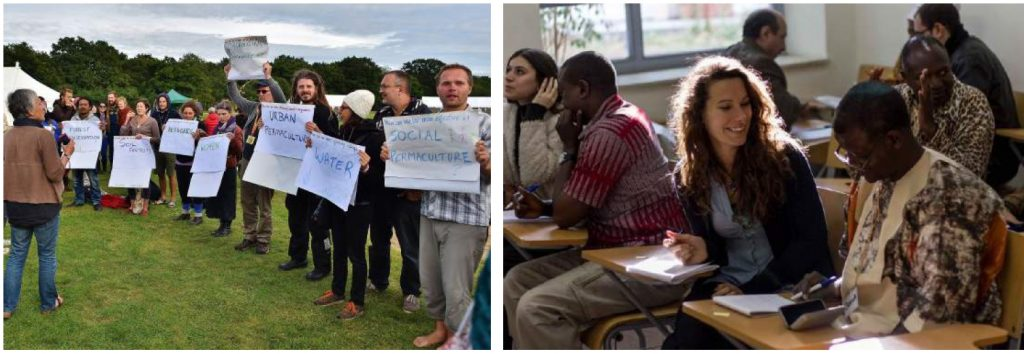
“IPCUK was a phenomenal event for me. It was full of positive energy and one of the organisations that I am working with, The Friends of International Permaculture Convergences (FIPC) managed to give birth to the International Permaculture Convergences Council (IPCC) at the event. This has given structure to the organisation of IPCs for the first time. IPCUK also further motivated me to work more for the economic empowerment of the school communities that I am working with.”
Strategic planning at IPCUK (left)
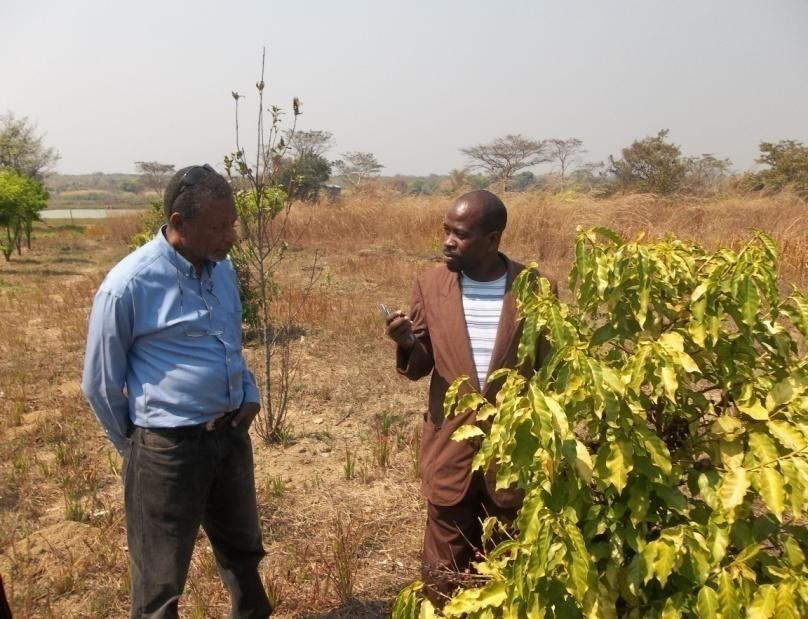
Aaron Kalala Karumba
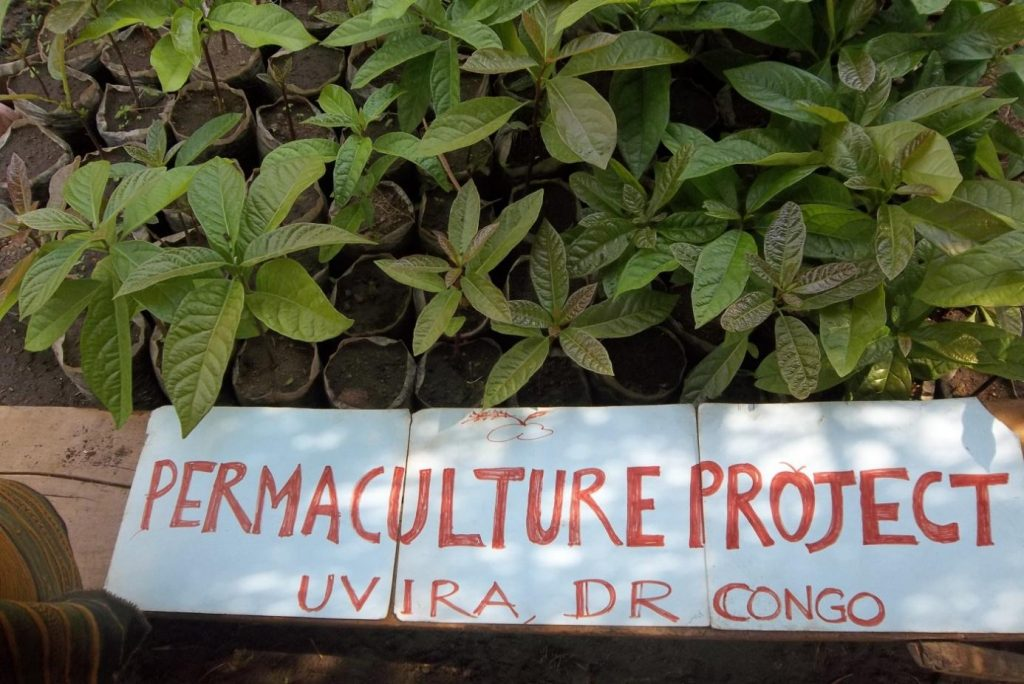
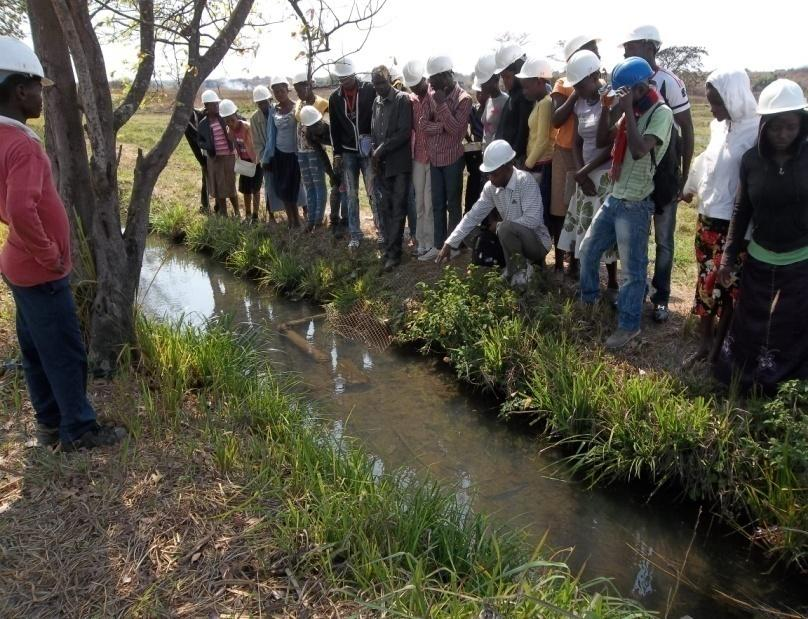
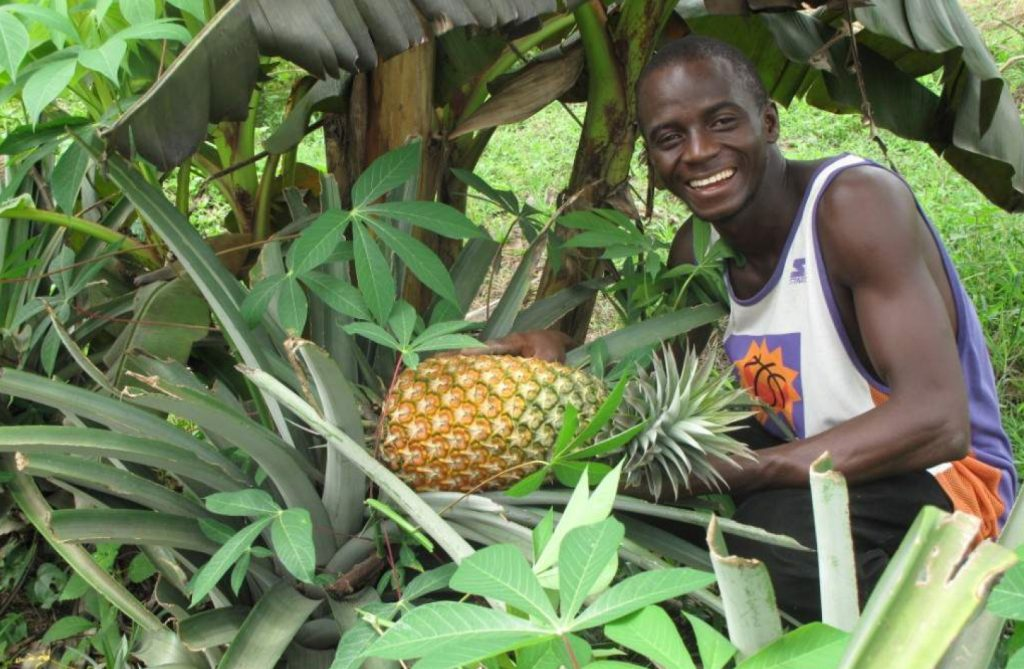
DR Congo
He is the Director of periodically publication “Revue Maliga” that focus its articles on food grow and environment.
“Yes IPCUK made I difference because I found some contacts and promises for my projects in DR Congo. Really, I’m very happy to be at IPC in UK, there I found different persons working in Permaculture around the world.”
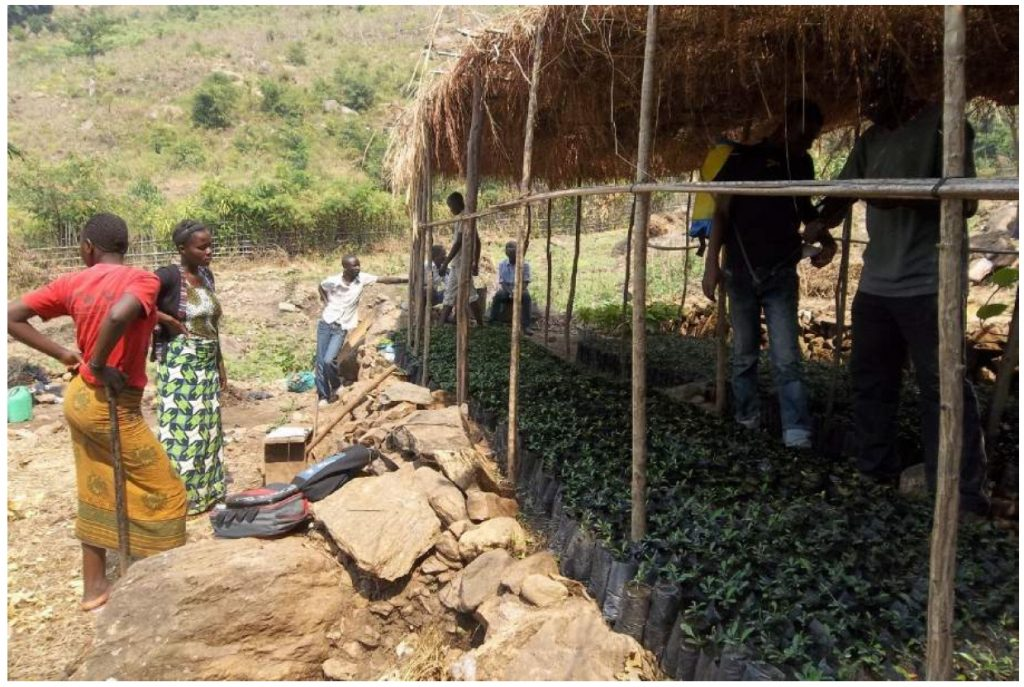
After learning Permaculture and Eco-Village Design Courses, he is working as independent consultant of international and national NGO (PRI-Kenya, SPH-Spain, Mama Na Bana, GEN Africa…) to design gardening, housing or environment protection. He conducted 4 main workshops in 2012-2016 with youth, farmer women and local authorities on Environment and food grow with support from WWFUS, NFP (USA) and Permaculture International.
With support from Permaculture UK, he study Permaculture in Musoma, Tanzania by Geoff Lawton on October 2007, and conducting different projects with communities to change life of people by teaching permaculture principles in Congo DR and Burundi.
He granted scholarship to participate to IPC Malawi, Cuba and recently in UK. And during the meetings, he contacted other permaculturalists to exchange experiences and opportunities to extend permaculture in Africa. He is among the pioneers of Africa Permaculture Network born in UK during last IPC. He recognizes the importance of IPCs to help communities in Africa and the entire world.
He speaks and writes both English and French, He speaks other African influent languages Swahili and Lingala.
principles.
Ayouba m kamara
Liberia
“I think the IPCUK make a difference in my life because, from the IPCUK, I become an IPC council member and now working with other council members to make IPC india a successful IPC like IPCUK.”
Pavlo Ardanov
Ukraine
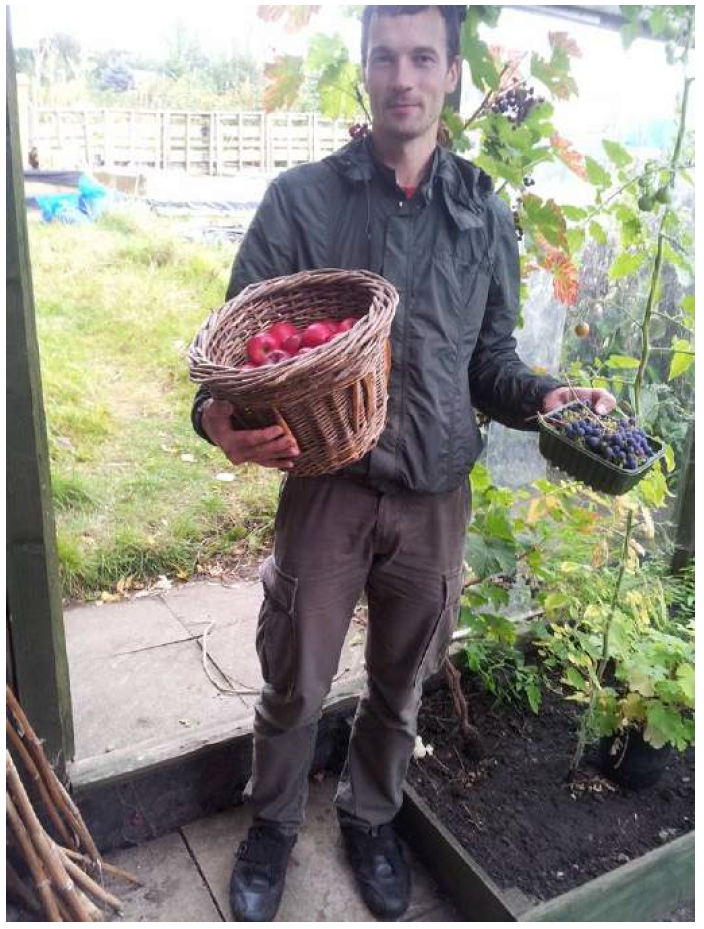
“Our crowdfunding campaign at the conference and convergence contributed to completion of our project on translation into Ukrainian of the great book Permaculture Design by Aranya: a step-by-step manual. Now we are running the crowdfunding campaign to print the book. IPCUK helped us to realize that some project that seems impossible for the young permaculture movement become real with the help of the international permaculture community!”
“I have met several amazing permaculture designers (including Aranya) in person at IPCUK. I was invited to visit their places and to work with them on design projects. This empowered me to initiate design constancy as the project of Ukrainian Permaculture Association. Moreover, I wanted to share this amazing experience of participation in the permaculture conference and convergence. So now we organized the First(!) Permaculture Conference and Convergence in Ukraine on 14-17 of May 2016, and we invite all our supporters to visit us in Ukraine!”
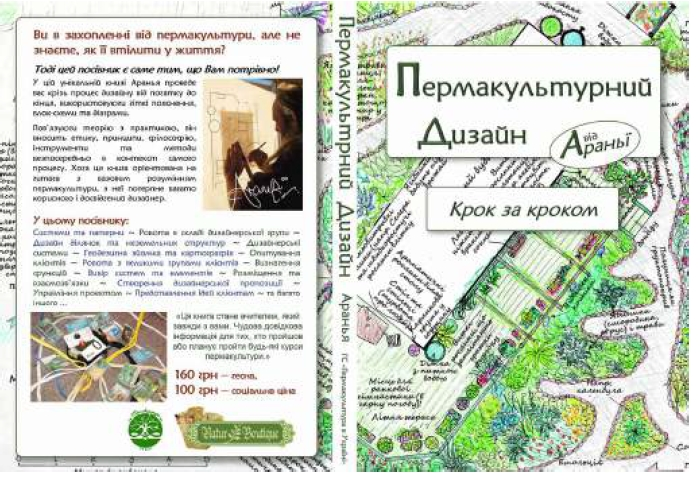
Pavlo is the head of the NGO “Permaculture in Ukraine”:
http://www.permaculture.in.ua/
Google group (Email newsletter):
http://groups.google.com.ua/group/permaukr
Facebook page:
www.facebook.com/PermacultureUkraine
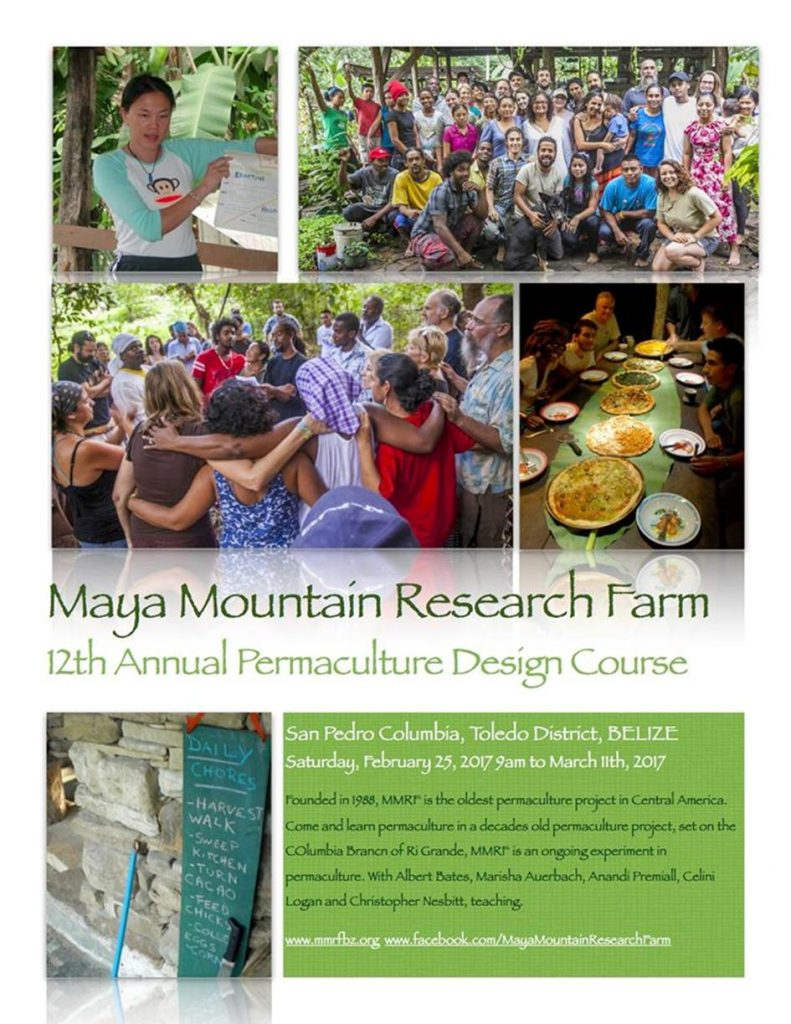
Celini and Christopher Nesbitt
Belize
At IPCUK we met people who we would otherwise not have met, people who, like us, were isolated by geography, by lack of opportunities to travel, and heard their stories. It was valuable for us to meet and know other delegates from the developing world who were also recipients of the same kindness. To be able to share our experiences among one another, to hear of other people’s challenges and successes, even to share our failures and trials, was an experience that has added to our effectiveness in our work. That commonality meant a lot to us, both as an affirmation that we are not alone, but also to learn how others worked with barriers to their end goals.
As delegates we not only got the opportunity we would otherwise not have been able to access, but we were treated with such hospitality and respect by the organizers, wonderful people who truly treated us so well, welcoming us as we got off the plane, and providing for us while we were there.
It was a wonderful experience for us, and we are grateful to all the people who gave us the opportunity to participate.
Edward Gaybba
South Africa
“I live in what was once a paradise. Perfect climate, diverse life, and wonderful human beings. Yet today, the soil is poorer…the plant and animal life less…the gap between the have’s and the have-not’s increasing…love of brothers and sisters diminishing.
I wanted paradise back. I believed that we could once again live the fairy-tale. But how? Permaculture gave me a glimpse of what could be. Being granted the opportunity to attend the IPC in London far exceeded my expectations. The joy and positivity of my fellow Permies filled me with energy. The hands-on knowledge I gained from Permie Elders crammed my head full with ideas and solutions I had not yet considered. But most of all, my passion and dream of a world of love, health and happiness was strongly reinforced.
Two months after my return from IPC my family and I gave up the city life to start our Permaculture demonstration site. Now, barely a year later, we are touching the lives of more people in our area than we could ever have dreamed possible. Life is returning…brothers and sisters are coming together again…slowly but surely we are healing the past and building a future together.
No man can ask for more. Viva South Africa, Viva Mama Afrika!
Warmest permie regards,
Edward Gaybba
Ego Lemos
Timor Leste
I want to share my story through this video below.
Permaculture/Agroecology system in Timor-Leste National School Curriculum for Basic Education
More info on Ego Lemos through this PDF http://www.fao.org/3/a-bl923e.pdf
Juliherme Francisco Piffer (Xaba)
Brazil
THE PACHAMAMA CIRCLE: A SUCCESSFUL DRAGON DREAMING PROJECT WITHIN THE IPCUK
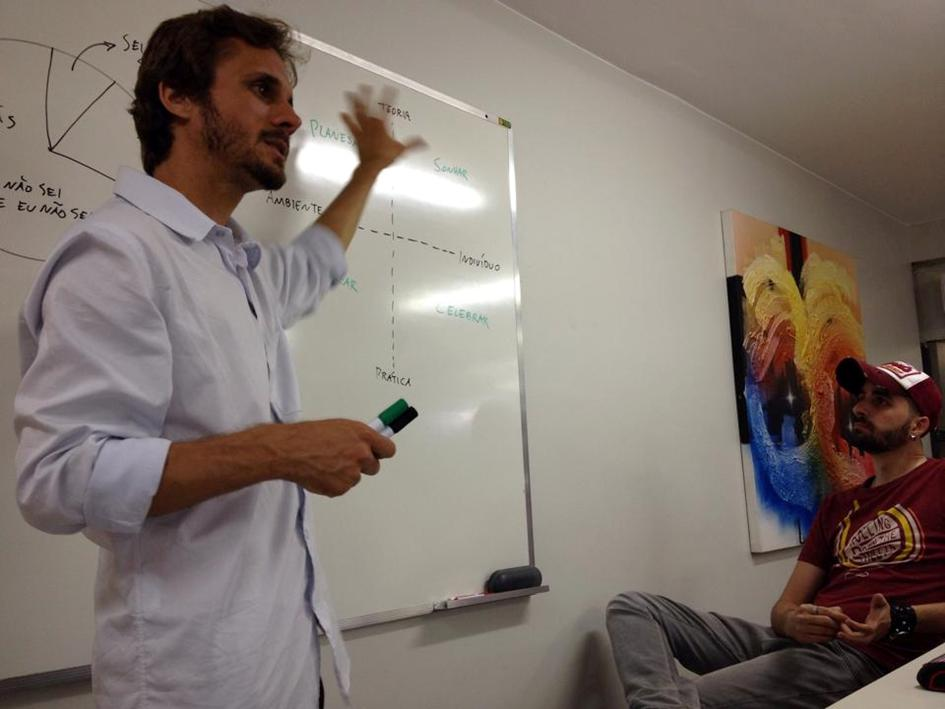
During September 12th and 15th took place the International Permaculture Convergence in London – UK, the team formed by David Lamparter (Germany), Nicholas Boyce (England), Luciana Comojo (Argentina), Adam Hickman (Australia), Kirsty McArdle (England), Thais Thiesen (Brazil / USA) and Xaba (Brazil) conducted a collaborative project for the benefit of the participants in the IPCUK. The project consisted in a ceremony for celebrating all the connections between the participants and the Mother Earth during the last day of the meeting.
To kick off the process, Xaba facilitated a very practical Dragon Dreaming workshop for designing a project that could be Dreamed, Planned, Done and Celebrated during the IPCUK. In this way, everyone was invited to share their projects and then one common project was born. Immediately after the design process, everybody started to implement the project together through short and quick meetings in a fun way. Everything went well and all Dreams became true! Thank you so much for all the Pachamama Circle participants!
I am available on Whatsapp: +5511958046088. You can poke me there.
Xaba!Xaba
Facebook: http://fb.me/xabaom
Blog: http://pokaya.org
Whatsapp: +5511958046088
Skype: xabaom
“A clear sense of direction and compelling principles about conduct in pursuit of it are far more effective than long-term plans and detailed objectives.”
– Dee Hock
Linda Kabaira
Zimbabwe
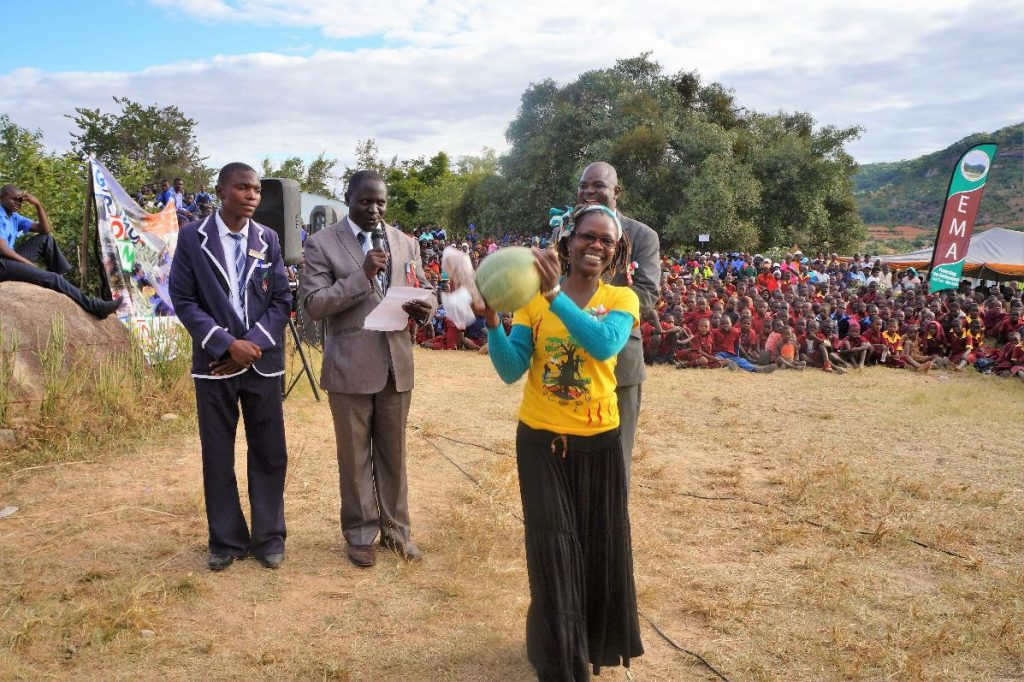
My story – Linda Kabaira, Permaculture, Agro ecology facilitator, development worker and environmental activist. National Coordinator – Schools and Colleges Permaculture (SCOPE) Zimbabwe, Global ecovillage network ambassador – Africa
The Zimbabwean citizen’s life is filled with fear of not affording safe drinking water, the woes of travelling long distances to secure safe water, the long queues of waiting to get the water and the cries and more woes and pains from the destructions when the rain comes and more. Having been born and lived in Zimbabwe all my life, watching the transformation of my local community from green, lush and abundant environment to bare, dry landscapes that can hardly support the people has been the drive behind my current work in permaculture. My goal is to get my community and all people understand and live inside the water cycle, soil and the forest in harmony with nature. I endeavour a society where there is equity and food access by all. Unfortunately, with the growing population and the climate change encroaching and seriously affecting Zimbabwe with the most recent elnino more people have become vulnerable and sustainable resource use has become a big task.
Attending the IPC 12 is a great drive behind my stepping in, walking in boldly, realising after connecting with many permaculture practitioners that l am not alone, I am connected and the work l am doing is contributing to the greater works done by many in the different parts of the world. This l could not do without the greatest opportunity l got to be outside Zimbabwe to learn and share experiences after my engagement with SCOPE and PDC in 2012. This led to my initiating a permaculture demonstration centre in Harare.
At IPC l5, I found threads of fellow women and men longing for the same dream, with voices and tears for the planet. The shared stories, of practices in similar circumstances and beyond taught me to stand up and speak up, Celini Logan in picture, motivated me to share my first video of the work that I do with schools in Zimbabwe and that boosted my confidence to do more work back home.
After spending 9 years, studying and graduating with forestry, BSc Hons Geography and MSc in development Studies and yet clueless, on where to start, in serving my nation and securing my future and that of my children. Stepping into permaculture through SCOPE, equipped me into a self-realisation that the right education and information is at the centre of the world we want. After the IPC 12 in London, l got educated and gained confidence to run a lonesome permaculture design course in a foreign country with Government extensionists, female youths in Zambia on a project targeting the vulnerable out of school early child marriage victims to grow nutritious food. The training led to the establishment of permaculture demonstration centres in the Western Zambia, which is dry with deep sandy soils. This story is one of the successes in transforming my personal life from an educated zombie to a change agent, permaculture educator and activist that fosters systems thinking, deep care and connection to the environment.
The theme of the IPC 12 “designing the world we want, spoke to me, and purposed to be more proactive. On my return home, I worked on strengthening the permaculture demonstration centre that l initiated in Harare in 2013 into a more vibrant centre equipped with more learnt practices, In the last year we have trained over 100 educators and learners on aspects of permaculture through demonstrations. We engaged 107 schools and initiated a seed library for sharing and multiplying seeds. I also facilitated through support from Lush the establishment of a solar powered borehole at the demonstration Centre.
My vision for the young people of Zimbabwe models from our classrooms and school landscapes, the partnerships; the lessons l have learnt and jointly learned. My post IPC 12 work is threaded together with voices of our students, educators, parents, administrators, higher education leaders, policymakers, business community and educational organization partners as they share their experiences and reflections working together through campaigns on growing our own food, water, soil fertility management and waste management in the face of the challenging climate.
At the IPC 12 I had an opportunity to learn about permaculture research and to connect with the permaculture research network, in the process I linked with research fellows from the Coventry University Centre of Agro- ecology water and resilience (CAWR). I have pursued the link and l am likely to be jointly documenting my work in Zimbabwe, Zambia and Egypt through this Centre towards a PhD should the funding be available.
My current work is on sustainable lifestyles education with young people in and out of school using permaculture through the Schools and Colleges Permaculture SCOPE Zimbabwe. www.scopezimbabwe.org
https://facebook.com/scopezimbabwe
Prabina Shreshtha
Nepal
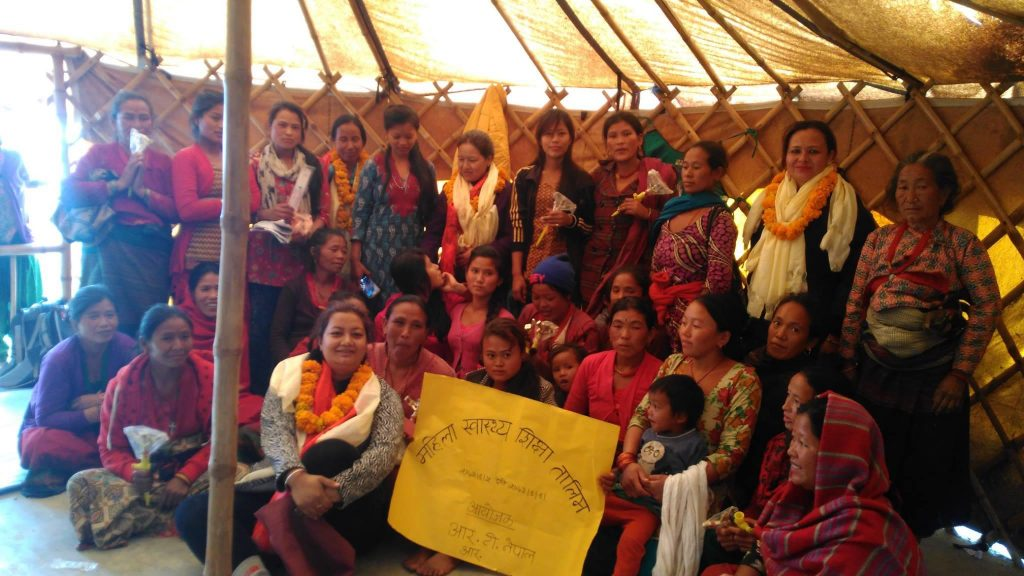
Thank you for giving me the opportunity to participate at the IPCUK. It was a great support for me to get to know more about Permaculture. In Nepal we just knew how to use the principles in agriculture, after my visit I knew that we can reach a lot more with Permaculture.
It helped me to come through an earthquake trauma. I could share my story with 84 other people who were listening to my talk. I met a lot of Permaculture specialists and I became friend with a lot of them.
Now I have a job as a village coordinator in building resilience through a recovery resilience program. I am coordinating 70 households and I teach the women about how to implement Permaculture in the village. I am also working in my own farm where we have got more than 100 volunteers from 14 different countries so far.
I am very lucky that I have got the opportunity to spread my knowledge.
more details:
https://www.facebook.com/prabhina
https://www.facebook.com/sunrise.farm.98
Tierra Martinez
Argentina
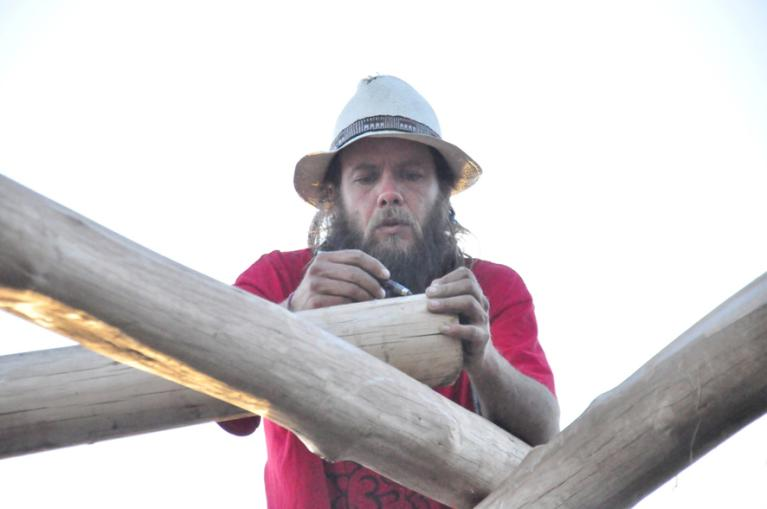
The IPC Uk, was something really powerful. It opened me to new perceptions of encounters. He gave me a lot of information, learning, teaching, friends, brothers and much more. The opportunity to attend an event of these characteristics opened a new horizon in my vision. A portal has been opened with many opportunities. This happens within the CPI, and I am very grateful for it. A learning experience with all the teachers who participated in this. Also tremendous learning with all students and practitioners. An IPC is the way to find yourself, to feel, to see permaculture in the present and to be able to dream of that permaculture of the future. I learned how to build and become part of a huge worldwide network. I have had the opportunity to present the progress in which I am working and researching. I have been appointed general coordinator of the IPC2020 in Argentina. The experience of living a IPC is life-changing. This opportunity created networks and alliances with other permacultores of the world This event helped me to clarify ideas and concepts around permaculture. I have experienced a super rewarding experience that allowed me to see another way of organizing meetings. It has been a wonderful experience. I have participated in something sensational. I felt at home. Experience beautiful things, thanks to this opportunity.